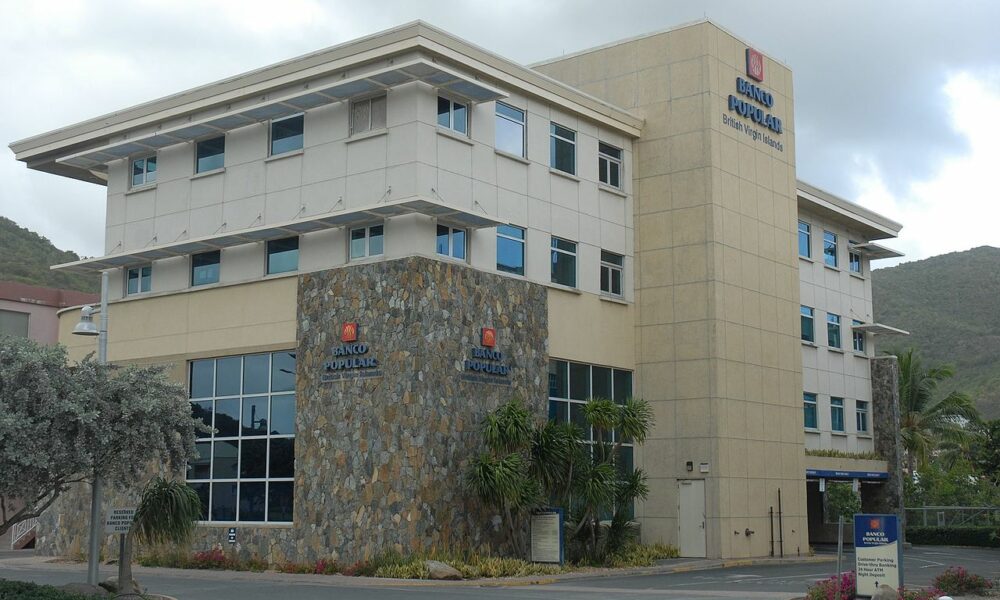
Connected clinical workflows for Phoenix Medical.
MicroAntix delivered emr and healthcare systems + managed it services for Phoenix Medical, creating a more reliable, secure and supportable technology environment for operations in the British Virgin Islands.
A technology programme built around Phoenix Medical's operational priorities.
Phoenix Medical engaged MicroAntix to address clinical technology, managed IT and network requirements supporting patient-facing workflows, protected information and dependable clinical access in the British Virgin Islands. The scope was evaluated against existing systems, user needs and long-term support requirements so implementation decisions would reflect real operating conditions.
For Phoenix Medical, the engagement connected clinical technology, managed IT and network within one delivery plan. MicroAntix considered the existing environment, implementation sequencing, testing, documentation and long-term support so the work would reinforce patient-facing workflows, protected information and dependable clinical access after handover.
The technology risks standing between Phoenix Medical and consistent service.
At Phoenix Medical, the existing environment had to support patient-facing workflows, protected information and dependable clinical access, but limitations across clinical technology and managed IT made that harder to achieve consistently. The client was a newly established medical facility that was starting from scratch. They needed to set up their entire IT infrastructure and implement an Electronic Medical Records (EMR) system that would allow them to manage patient records and medical data effectively.
Clinical information access
Patient information and clinical workflows required a reliable, secure and practical digital platform. At Phoenix Medical, the assessment examined clinical documentation, authorized access, staff workflow and patient-data protection to define the source and operational impact of the gap. This made a measured, supportable response more important than an isolated component replacement.
Support accountability
Technology issues needed a clear response path, proactive maintenance and less disruption to day-to-day work. At Phoenix Medical, the assessment examined monitoring, escalation, maintenance ownership and responsive user support to define the source and operational impact of the gap. This made a measured, supportable response more important than an isolated component replacement.
Network reliability
Core connectivity needed to support users, applications and connected systems without becoming an operational bottleneck. For Phoenix Medical, resolving this required a clear understanding of switching, routing, equipment organization and dependable access to core services, not only replacement equipment. This made a measured, supportable response more important than an isolated component replacement.
A phased technology delivery programme designed around Phoenix Medical.
For Phoenix Medical, MicroAntix translated the assessment into a delivery plan centred on clinical technology and managed IT. Our team proposed a comprehensive solution that involved setting up the entire IT infrastructure for the medical facility, including hardware, software, and networking equipment. We also implemented an EMR system that would allow them to store patient records electronically, making it easy to access patient information, track medical histories, and manage appointments. We worked closely with the client to understand their unique needs and requirements and developed a customized EMR system that met their specific needs. We also provided training to the staff on how to use the system effectively.
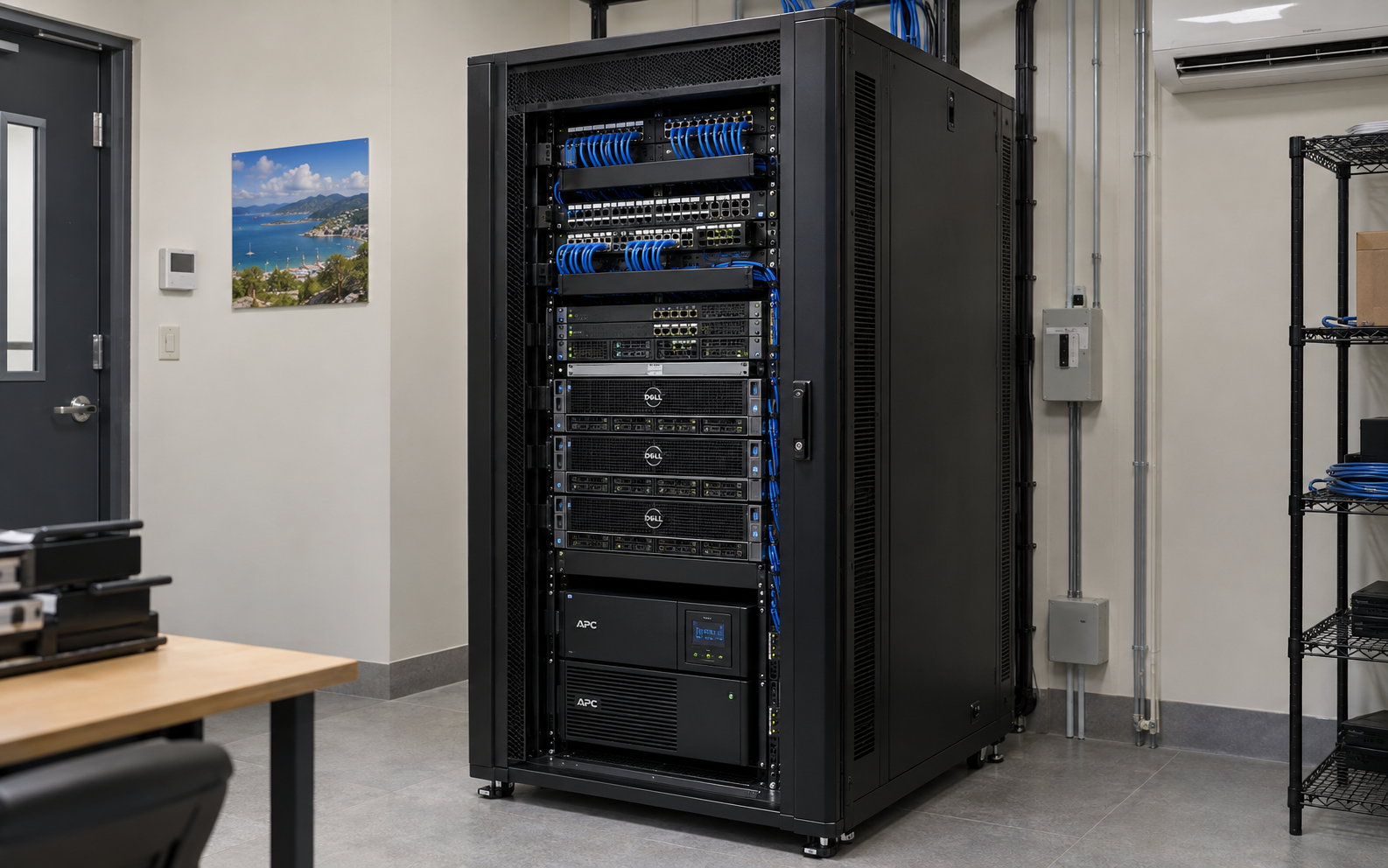
Implement clinical systems
The EMR environment, workstations and supporting infrastructure were configured around the clinic's day-to-day workflow. For Phoenix Medical, decisions were checked against clinical documentation, authorized access, staff workflow and patient-data protection.
Operationalize support
Monitoring, maintenance, documentation and escalation procedures created a practical model for ongoing assistance. For Phoenix Medical, decisions were checked against monitoring, escalation, maintenance ownership and responsive user support.
Build the network foundation
Switching, routing, addressing and equipment configuration were organized into a reliable, supportable environment. The Phoenix Medical deployment accounted for switching, routing, equipment organization and dependable access to core services before final testing and handover.
Design wireless coverage
Access-point placement and configuration were aligned with the property layout, user density and expected device demand. The Phoenix Medical deployment accounted for coverage zones, roaming, device density and real-world use across the property before final testing and handover.
From requirements to a supportable technology outcome
Technology that is easier for Phoenix Medical to operate, protect and support.
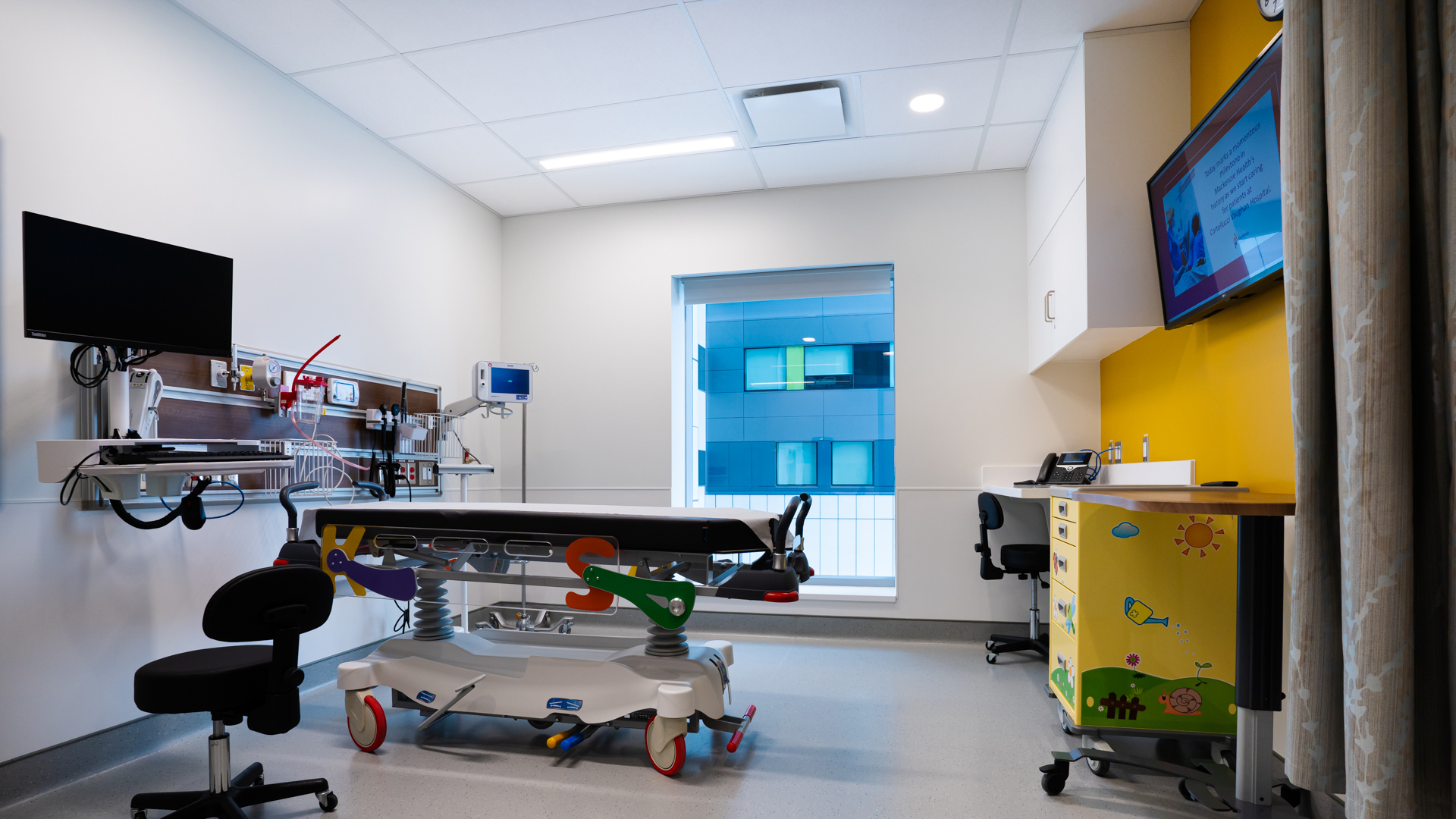
Business value: For Phoenix Medical, reliable systems help clinical teams access information, coordinate care, protect sensitive data and keep patient-facing services moving. The combined clinical technology and managed IT work reduces avoidable operational friction and provides a clearer base for maintenance, support and future investment.
The completed work gives Phoenix Medical a more coherent environment for patient-facing workflows, protected information and dependable clinical access. After implementing the EMR system and providing ongoing IT support, the medical facility was able to manage patient records and medical data more efficiently. The EMR system helped to streamline their patient record management processes, reducing errors and saving time. The new IT infrastructure was reliable, and system crashes and downtime were significantly reduced, leading to improved patient care and satisfaction. Our ongoing IT support ensured that any issues were addressed promptly, and the medical facility's systems were up and running at all times, minimizing the impact on patient care.
Streamlined workflows
Digital records and dependable supporting systems make information easier for authorized clinical staff to access and manage. For Phoenix Medical, authorized clinical staff can work with patient information through a more structured digital workflow.
Clearer IT support
A defined support model helps issues reach the right technical resources sooner. For Phoenix Medical, support requests, maintenance and recurring issues follow a clearer path to resolution.
Reliable foundation
A structured network provides a stronger base for users, applications and future technology services. At Phoenix Medical, users and connected systems have a more stable foundation for everyday applications and future services.
Stronger connectivity
Improved coverage and capacity support a more consistent experience across the environment. At Phoenix Medical, users can connect more consistently in the areas where work, service and daily activity actually happen.
Modernizing technology for a healthcare practice?
MicroAntix supports healthcare organizations across the BVI with EMR, infrastructure, cybersecurity, backup and responsive IT support.